Peru: Where Ancient Wonders Meet Budget-Friendly Adventures
Machu Picchu costs less than a weekend in Vegas — and the views are infinitely better. While you might drop $500+ on overpriced cocktails and questionable buffets in Sin City, Peru offers you the chance to walk among 600-year-old Incan ruins, taste some of the world's best cuisine, and trek through landscapes that look like they belong on another planet. All for about the same price as a single night in a decent Vegas hotel.
For around $400 total, you can explore ancient Incan ruins that predate the Roman Colosseum by centuries. Rainbow Mountain's striped peaks look like nature's own abstract painting. Lima's ceviche scene rivals Tokyo's sushi culture. And the Sacred Valley? It's basically Peru's answer to Tuscany, minus the crowds and with way better value for money.
Why Peru Should Be Your Next Trip
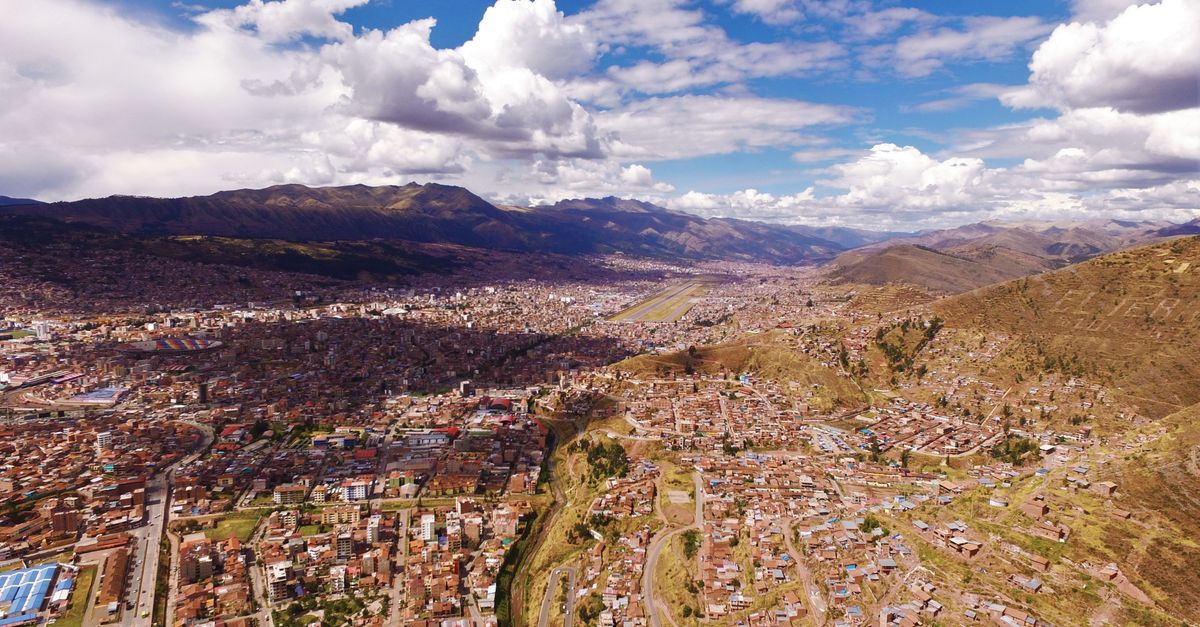
Peru isn't just budget-friendly — it's a country that rewards curious travelers with experiences you literally can't find anywhere else on Earth. Where else can you stand in a lost city that was hidden from the world for 400 years, then head down to the coast for some of the planet's freshest seafood?
The country spans three distinct regions: the coastal desert (including Lima), the Andes mountains (hello, Machu Picchu), and the Amazon rainforest. This means you can go from surfing Pacific waves to hiking at 14,000 feet to spotting pink dolphins, all within the same trip.
But here's what really sets Peru apart: the food. Lima has been called the gastronomic capital of South America, and it's not just hype. Peruvian cuisine blends Indigenous, Spanish, Chinese, and Japanese influences into something completely unique. You'll taste ingredients you've never heard of and wonder why the rest of the world hasn't caught on yet.
The best part? Unlike other world-class destinations, Peru hasn't been completely overrun by tourism. Sure, Machu Picchu gets busy, but venture slightly off the beaten path and you'll have incredible experiences without fighting crowds for photos.
Top 10 Things to Do in Peru

1. Machu Picchu (obviously) The big kahuna. Entry costs $45, and you can reach it via the budget train from Ollantaytambo ($30) or hike the classic Inca Trail. Pro tip: Book the less touristy Huayna Picchu hike for $15 extra — the views looking down at Machu Picchu are unreal.
2. Rainbow Mountain (Vinicunca) These naturally striped peaks look like a geological fever dream. Day tours from Cusco cost around $25-35, but be prepared for a challenging hike at high altitude. The Instagram photos don't lie — it really is that colorful.
3. Lima's Food Scene Skip the expensive restaurants and hit the local markets. Mercado de Surquillo offers incredible ceviche for $3-5. Try anticuchos (grilled beef heart skewers) from street vendors for $2-3. Don't knock it till you try it.
4. Sacred Valley Base yourself in Ollantaytambo or Pisac for a fraction of Cusco's prices. The valley has incredible ruins, traditional markets, and some of Peru's best hiking. Plus, the lower altitude makes it easier to adjust before hitting Machu Picchu.
5. Huacachina Oasis This tiny lagoon surrounded by massive sand dunes feels like a mirage. Sandboarding and dune buggy tours cost around $15-20. It's touristy but ridiculously fun.
6. Arequipa and Colca Canyon Peru's "White City" is gorgeous and way less touristy than Cusco. Colca Canyon is deeper than the Grand Canyon and home to massive Andean condors. Two-day tours start at $35.
7. Amazon Rainforest (Iquitos or Puerto Maldonado) Three-day jungle tours from Puerto Maldonado start around $200, including accommodation and meals. You'll spot monkeys, exotic birds, and maybe even jaguars if you're lucky.
8. Paracas National Reserve Take a boat tour to the Ballestas Islands ($15) to see sea lions, penguins, and thousands of seabirds. The desert coastline looks like Mars meets the Pacific Ocean.
9. Lake Titicaca The world's highest navigable lake straddles the Peru-Bolivia border. Stay with a local family on the floating Uros Islands for an authentic cultural experience ($25-30 per night including meals).
10. Chachapoyas The most underrated destination in Peru. Kuelap fortress rivals Machu Picchu but sees a fraction of the visitors. Plus, you can see mummies, waterfalls, and cloud forests all in one region.
Peru on a Budget
Peru is genuinely one of the world's best budget destinations. Here's the breakdown:
Accommodation: Hostel dorms cost $8-15 per night in major cities, $5-10 in smaller towns. Private rooms in budget hotels run $15-25.
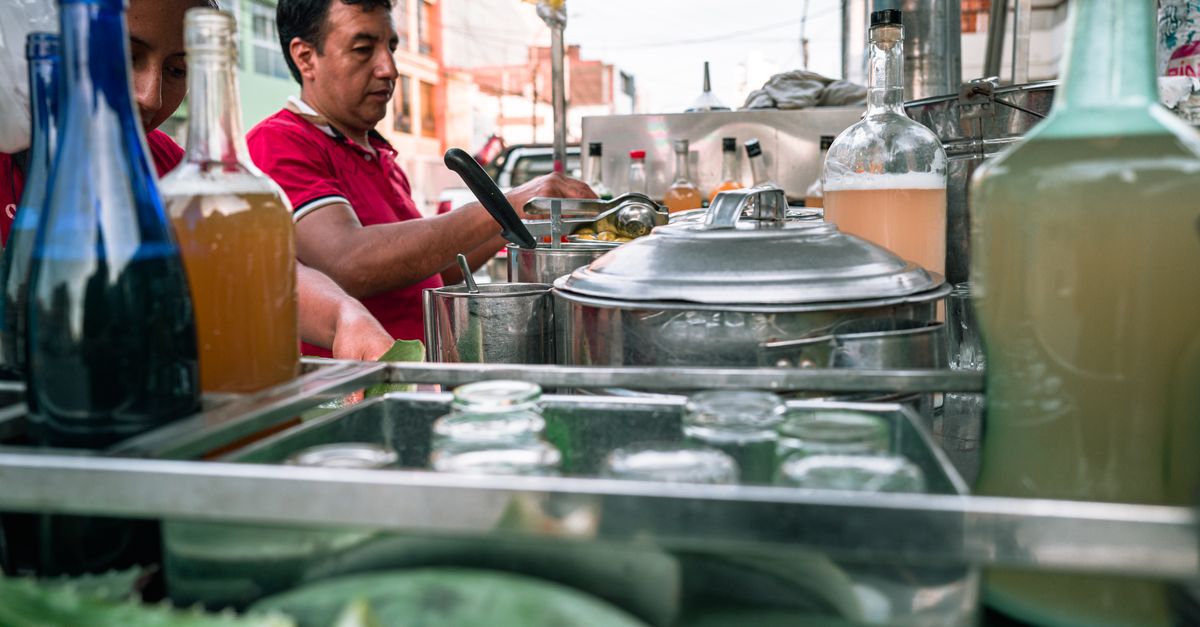
Food: You can eat incredibly well for $3-8 per meal. Menu del día (set lunch menus) at local restaurants cost $2-4 and include soup, main course, and drink. Street food is safe and delicious — try papa rellena (stuffed potatoes) for $1.
Transport: Long-distance buses are comfortable and cheap. Lima to Cusco costs $15-30 depending on the company. Local buses within cities cost $0.30-0.50.
Activities: Many of Peru's best experiences are free or cheap. Hiking in the Sacred Valley costs nothing. Museum entries are usually $3-8. Even major attractions like Sacsayhuamán ruins cost just $10.
Total daily budget: You can comfortably travel Peru on $25-35 per day including accommodation, food, transport, and activities. Splurge days with tours or nice restaurants might push you to $50-60.
Money-saving tips: Buy a boleto turístico in Cusco ($40) for access to 16 archaeological sites. Cook breakfast at hostels. Take local buses instead of tourist shuttles. Shop at markets, not supermarkets.
Peru for Couples

Peru offers incredible romantic experiences without the European price tags. Watch sunrise over Machu Picchu together (get there early to beat crowds). Take a sunset boat ride on Lake Titicaca. Share a bottle of pisco sour while watching the sunset from Lima's Miraflores cliffs.
The Sacred Valley is perfect for couples — stay in a cozy guesthouse in Ollantaytambo, explore ancient ruins during the day, and enjoy intimate dinners at local restaurants. Many places offer couples' cooking classes where you'll learn to make ceviche and pisco sours.
For adventure-loving couples, consider the Salkantay Trek as an alternative to the crowded Inca Trail. You'll camp under incredibly starry skies and have the trails mostly to yourselves.
Budget-conscious romantic splurges: Upgrade to a private room with mountain views in the Sacred Valley ($30-40), book a sunset dinner cruise in Lima ($25), or splurge on a nice restaurant in Cusco ($25-35 for two).
Peru for Families
Peru is surprisingly family-friendly, especially if your kids are old enough to handle some walking and altitude. The ruins capture kids' imaginations like nothing else — what child doesn't want to explore a real lost city?
Cusco and the Sacred Valley work well for families. The towns are walkable, food is mild enough for picky eaters, and there are plenty of activities. Take the train to Machu Picchu rather than hiking — kids will love the scenic journey through the cloud forest.
Lima's beaches in Miraflores are perfect for families. The water's cold, but kids can play in the sand while parents enjoy ceviche at beachfront restaurants. The city's parks have playgrounds and are very safe.
Skip the Amazon with very young kids — it involves long boat rides and basic accommodations. But older kids (8+) will love spotting monkeys and exotic birds.
Family accommodation: Look for family rooms or apartments rather than hostels. Many budget hotels offer triple rooms for $25-35. Airbnb can be great value for families staying several nights.
Solo Travel in Peru
Peru is one of the best solo travel destinations in South America. The backpacker trail is well-established, so you'll constantly meet other travelers. Hostels in major cities have great common areas for meeting people.
Safety-wise, Peru is generally fine for solo travelers who use common sense. Stick to main tourist areas, don't flash expensive items, and trust your instincts. Women traveling alone should be especially careful in Lima after dark, but daytime exploration is fine.
The hostel scene is fantastic for solo travelers. Stay at Pariwana hostels in Lima and Cusco for a social atmosphere. Many hostels organize group activities like walking tours and pub crawls.
Solo travel perks in Peru: You can change plans easily, join random day tours, and strike up conversations with locals more naturally. Plus, single supplements for tours are usually minimal or nonexistent.
Join group tours for activities like Rainbow Mountain or Amazon trips — you'll split costs and make friends. Many solo travelers end up forming impromptu groups for multi-day adventures.
Where to Stay in Peru

Lima:
- Miraflores: Safest and most convenient for tourists. Near beaches, restaurants, and nightlife. Hostels $12-18, hotels $25-40.
- Barranco: Artsy neighborhood with great nightlife. Slightly cheaper than Miraflores. Hostels $10-15.
- San Isidro: Upscale business district. Quieter but more expensive.
Cusco:
- San Blas: Artsy neighborhood with narrow cobblestone streets. Walking distance to main sights. Hostels $8-12.
- Centro Histórico: Right in the action but can be noisy. Hostels $10-15.
- San Pedro: Local neighborhood near the market. Cheaper and more authentic. Hostels $6-10.
Sacred Valley:
- Ollantaytambo: Perfect base for Machu Picchu. Charming town with great restaurants. Hostels $8-12.
- Pisac: Quieter than Ollantaytambo with incredible Sunday market. Hostels $6-10.
Arequipa:
- Centro Histórico: Beautiful colonial architecture. Everything walkable. Hostels $8-12.
Book directly with hostels when possible — they often offer better rates than booking sites. Many places include breakfast, which saves $2-3 per day.
Getting Around Peru
Flights: Domestic flights are surprisingly affordable. Lima to Cusco costs $50-80 and saves 20+ hours of bus travel. Book with LATAM or Sky Airlines.
Buses: Peru's bus system is extensive and comfortable. Cruz del Sur and Oltursa are premium companies with reclining seats and meals ($15-30 for long routes). Cheaper companies like Tepsa work fine for shorter routes ($5-15).
Local transport: In cities, use local buses ($0.30-0.50) or combis (shared vans). Taxis are cheap but always negotiate the price first. Uber works in Lima.
Trains: Limited routes but scenic. The train to Machu Picchu from Ollantaytambo costs $30-60 depending on service level. Book in advance.
Tours vs. independent travel: Day tours are often cheaper than going independently when you factor in transport costs. But you'll have more flexibility traveling solo.
Pro tip: Download the Moovit app for public transport in major cities. It works offline and shows bus routes and times.
Best Time to Visit Peru
Dry season (May-September): Best weather for hiking and outdoor activities. Machu Picchu has clearest views. This is peak season, so expect crowds and higher prices.
Shoulder season (April, October): Great compromise between weather and crowds. Occasional rain but generally pleasant. Better prices on accommodation.
Wet season (November-March): Heavy rains, especially in the mountains. Inca Trail closes in February. However, the Amazon is actually better during wet season — more wildlife and fuller rivers.
Coast: Lima and the coast have mild weather year-round. It's technically winter (June-August) but temperatures stay around 60-70°F.
Altitude considerations: Cusco sits at 11,200 feet. Arrive a day or two early to acclimatize. Drink coca tea and avoid alcohol initially.
Budget travelers should consider visiting during shoulder season — you'll save 20-30% on accommodation and have better weather than wet season.
Quick Facts
Currency: Peruvian Sol (PEN). $1 USD = ~3.7 soles (rates fluctuate)
Language: Spanish and Quechua. English spoken in tourist areas but learn basic Spanish phrases.
Visa: US, EU, and most Western passport holders get 90 days visa-free.
Vaccinations: Yellow fever recommended for Amazon regions. Hepatitis A and typhoid recommended for all areas.
Altitude: Cusco (11,200ft), Puno (12,500ft), Rainbow Mountain (16,400ft). Take altitude seriously.
Tipping: 10% at restaurants if service charge isn't included. Round up for taxis. $2-3 per day for tour guides.
Safety: Generally safe for tourists. Use common sense, especially in Lima. Don't display expensive items.
Electricity: 220V with Type A and C plugs (same as US flat plugs).
Internet: WiFi widely available. Buy a local SIM card for $5-10 with data.
Bargaining: Expected at markets and for taxis. Not appropriate in restaurants or established shops.
Peru isn't just a budget destination — it's a country that will completely reshape how you think about travel. Where else can you walk through a 600-year-old lost city, eat world-class cuisine for $3, and trek through landscapes that look like alien planets, all while spending less than you would on a weekend in any major US city?
The best part? Peru rewards the curious traveler. Skip the tour groups, talk to locals, try the weird-looking fruit at the market, take the local bus instead of the tourist shuttle. You'll discover a country that's been perfecting hospitality for centuries, where ancient traditions blend seamlessly with modern life, and where your dollar stretches further than almost anywhere else on Earth.
So book that flight, brush up on your Spanish, and get ready for the adventure of a lifetime. Peru is waiting, and trust me — it's going to exceed every expectation you have, probably while costing less than your monthly Netflix subscription.
Want the quick version? Watch our Peru travel Short on YouTube for a 30-second overview!